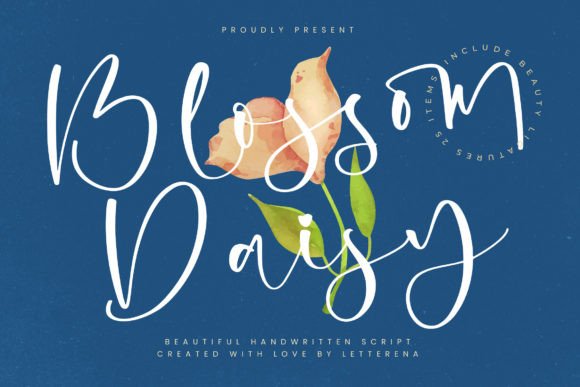
Blossom Daisy: A Handwritten Font for Creative Projects
The cursor hesitated, blinking over a blank canvas in my design software. I needed a label for a new batch of lavender-scented candles, something that felt luxurious but personal, elegant but approachable. My standard sans-serif fonts felt too corporate, my usual script a bit too casual. I typed a test phrase: “Lavender Dream.” And then I switched to the new font I’d just downloaded: Blossom Daisy. The label transformed instantly. The graceful, flowing strokes gave the words a warmth and sophistication that was exactly what I’d been searching for. That moment, watching a simple product idea come to life with the right typography, is what I want to share with you.
The Personality of Blossom Daisy in Practice
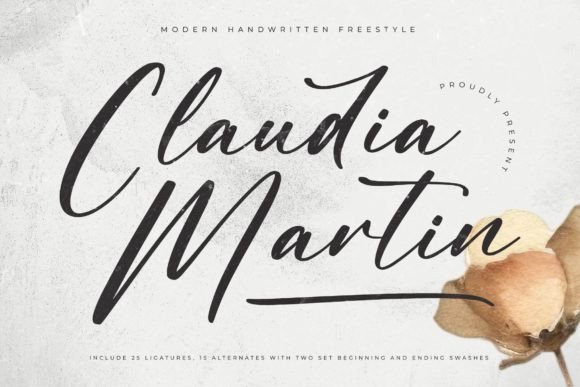
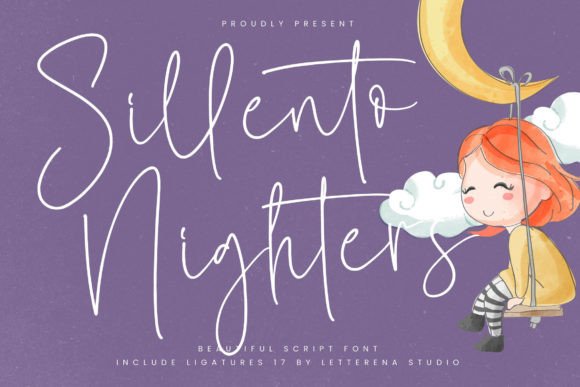
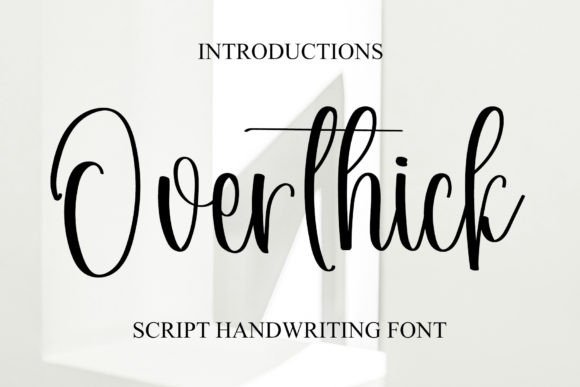
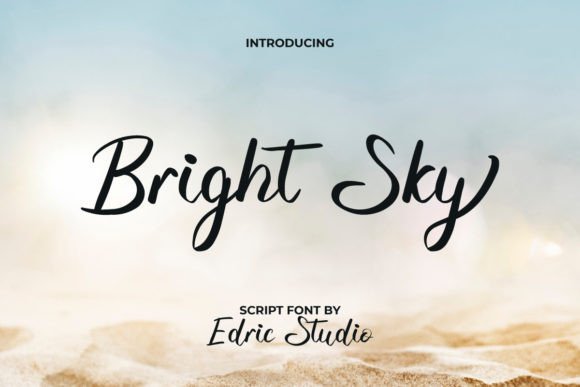
Blossom Daisy is a modern, charming handwritten font, but describing it doesn’t fully capture its effect. You have to see it on a real product. Its elegance isn’t stiff or formal; it’s inviting. The letters have a consistent, sophisticated baseline, but the subtle variations in stroke weight and the gentle curls give it a genuine, handcrafted feel. This is a font that whispers “quality” without shouting “expensive.” It exudes personality—a friendly, refined personality perfect for makers who want their products to feel special.
In my tests, this personality shone across different mediums. On a simple, textured sticker sheet for a planner, Blossom Daisy added a decorative touch that felt cohesive and artistic. On a mockup for a wedding invitation suite, it provided that crucial blend of tradition and contemporary style that modern couples often seek. For a tote bag design, it turned a basic phrase like “Morning Market” into a stylish, wearable graphic. The mood it creates is one of thoughtful creativity, which is precisely the mood many of us want our brands and products to convey.
Where Blossom Daisy Brings Your Designs to Life
This typeface excels in display roles—places where you want to make a beautiful first impression.
- Product Labels & Packaging: For candle jars, honey bottles, or soap boxes, Blossom Daisy for the product name or a short descriptor elevates the entire presentation. It suggests care and artistry, impacting perceived quality immediately.
- Greeting Cards & Invitations: Whether it’s a birthday card header or the names on a wedding welcome sign, the font’s flowing character adds emotional appeal and feels personally crafted, enhancing the customer’s experience.
- Merchandise & Wearables: On mugs, shirts, or signs, especially when paired with a simpler font for any additional text, it creates strong visual focus and aids in brand recognition.
- Digital Printables & Wall Art: For quotes on printable art or titles on digital planner pages, it provides a gorgeous decorative element that feels unified and designed, not just typed.
- Shop Branding: Using Blossom Daisy consistently for your shop name on your packaging, social media graphics, and website header builds a cohesive, memorable brand identity that resonates with an audience looking for handmade charm.
A specific example: I used it for “Summer Peach” on a series of jam jar labels. The soft curves of the script mirrored the fruit’s roundness, and the overall effect was far more engaging than a blocky print font. It told a story before the customer even read the description.
Readability and Practical Considerations for Makers
Because of its decorative nature, Blossom Daisy is best used for short phrases, titles, names, and decorative wording. Its elegance is perfect for a product line name on a label, like “Botanical Collection,” or a single word like “Celebrate” on a card. For longer text blocks—like detailed product instructions, ingredient lists on a small label, or a paragraph on an invitation—it can become difficult to read. In those cases, pairing it with a clean, highly readable sans-serif or simple serif font is essential.
This pairing strategy is key for production. On a candle label, I used Blossom Daisy for “Calm Seas” and a clean sans-serif for the safety warnings and net weight. The hierarchy was clear and professional. For cutting machines like Cricut or Silhouette, the font cuts beautifully at standard sizes for vinyl stickers or cardstock invitations. However, for very tiny cuts—think small details on a 1-inch tag—the elegant thin strokes might not translate as clearly, so testing your specific material and size is always advised.
A Few Notes Before You Commit
Before using any font for commercial products—physical or digital—it’s crucial to check the licensing. Ensure Blossom Daisy’s license covers selling products featuring the font, whether that’s physical candles with labels, SVG files for crafters, or digital template packs. Also, explore the font files themselves. Many modern handwritten fonts include alternates, ligatures, and swashes. These allow you to vary certain letters, creating even more natural, custom-looking text. For a wedding invitation, using swashes on the capital letters of the couple’s names can add an extra layer of personalized sophistication.
While Blossom Daisy’ multilingual support will depend on its specific character set, it typically covers standard Latin-based languages, making it versatile for many markets. Its primary strength is in display and decorative use. It won’t replace your body text fonts, but when used strategically, it becomes an invaluable design asset that infuses your creative projects with a sense of graceful, handmade beauty.
My lavender candle labels are now printed, the jars are filled, and the “Lavender Dream” script in Blossom Daisy sits beautifully against the soft purple wax. It looks like the product I envisioned: crafted, elegant, and full of personality. That’s the real test of a font—not just how it looks on a screen, but how it feels in your hands and how it represents your work to the world. For makers, sellers, and creators looking to add that touch of sophisticated charm, Blossom Daisy is a typeface that truly delivers.